






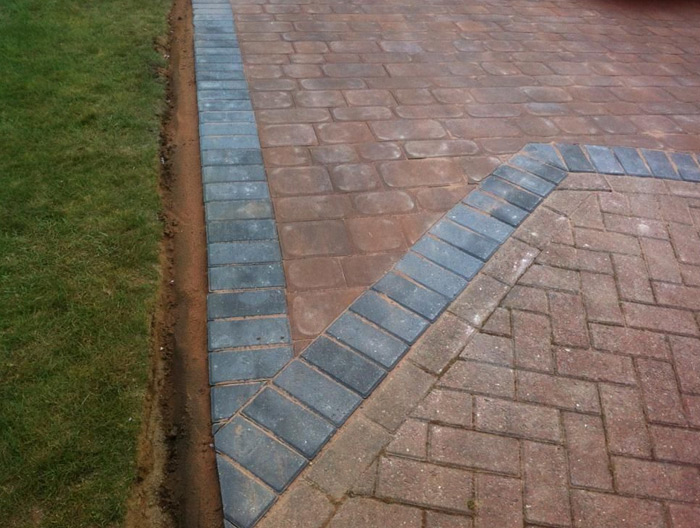
Before hiring a driveway specialist, ask about their previous work, the proposed materials and groundwork, drainage, costs, insurance and aftercare. Get the answers in writing where they affect the job or its price. The lowest quote may look appealing. It is only a fair comparison if it covers the same preparation, materials and finish.
1. Can you show me driveways like mine that you have completed?
Ask to see examples of work with a similar surface and layout. A wide, level driveway may present different challenges than a narrow entrance with a slope or awkward access. Relevant examples help you judge the finish and see how the contractor handles edges and changes in level.
Recent reviews can be useful, but look beyond the star rating. Comments about communication, tidiness and how problems were resolved may tell you more than a short recommendation.
You can also ask for references, subject to the previous customer’s agreement. A photograph alone cannot show what lies underneath a driveway, so use examples alongside the other checks below.
2. Which driveway surface would you recommend for my property, and why?
A useful answer should consider how you use the driveway, its condition and the maintenance you are prepared to do. Tell the specialist about the vehicles you park there and any access needs you have.
Block paving allows individual blocks to be lifted, although matching older colours later may be difficult. Gravel can be practical, but loose stones need occasional raking and topping up. Tarmac driveways provide a smooth finish, while resin-bound surfacing needs a suitable base. Each option has trade-offs.
Ask about repair as well as replacement. If part of the existing driveway is sound, a repair might be worth discussing.
For an overview of the surfaces available locally, see our driveway installation options in Darlington.
3. What preparation and sub-base will you use?
The sub-base is the compacted layer beneath the driveway surface. It helps distribute the weight of vehicles and provides a stable foundation. Ask how the specialist will assess the existing ground, what they plan to remove and how they will prepare the base.
There is no single depth that suits every driveway. Ground conditions, vehicle use and the chosen surface all affect the proposed build-up. A contractor should explain their recommendation rather than offer a standard depth without looking at the site.
An existing base may be suitable. If the specialist suggests keeping it, ask how they will check its condition and what happens if excavation reveals a problem. Agree how any extra work will be priced before it goes ahead.
4. How will the driveway drain?
A driveway needs a plan for rainwater, not just a tidy surface. Ask where water will go and how the finished levels will direct it away from the house. The specialist may propose a gentle slope, a drainage channel or another arrangement suited to the site.
A permeable surface lets water pass through it, but the layers beneath also matter. Ask how the full construction will handle water, particularly if the ground drains poorly. A surface described as permeable does not automatically make the whole driveway effective at draining.
Point out any existing puddles or water entering a garage. These details can affect the proposal. Check, too, that drainage work is included in the written quote rather than assumed to be an extra.
5. Are any permissions or approvals needed for this work?
Driveway rules depend on the property and the work proposed. In England, planning requirements for a front garden can depend on the area covered and how surface water drains. Listed buildings and other local restrictions may also need to be considered.
A dropped kerb is a separate issue from the driveway surface. Vehicles may need to cross the pavement. If so, ask the relevant council for approval and confirmation of who is permitted to carry out the crossing.
A contractor can help identify what to check, but do not rely on a general assurance that permission is never needed. Contact the local planning authority or highways team where appropriate. For a property in Darlington, that means checking with Darlington Borough Council before committing to work.
6. What does your quote include, and what is excluded?
A written quote should clearly describe the agreed area, surface, preparation, and finish so it can be compared with another offer. Ask whether it covers removal of the old driveway, disposal of waste, edging, drainage and VAT where applicable.
Small differences can change the price. One quote may include new edging while another keeps the existing border. A cheaper proposal may also require less groundwork, making it hard to compare the figures fairly.
Check how long the quote remains valid and what happens if the work uncovers an unexpected issue. Ask for changes to the scope and price to be agreed in writing before additional work starts. Keep the final quote and any agreed changes together.
7. Who will carry out the work, and what insurance do you have?
Ask who will be on site and who is responsible for the job. Some contractors use their own team; others bring in subcontractors for particular tasks. Either way, you should know who to contact if a concern arises.
Request evidence of relevant insurance and check that it is current. Public liability insurance generally concerns certain claims involving injury or damage to other people or property. It is not the same as a workmanship guarantee, and the policy terms determine what is covered.
At RT Drives & Patios (NE) Ltd, our own team carries out driveway installations, and we are fully insured. When comparing contractors, ask each one to explain their own arrangements.
8. How long do you expect the work to take, and how will access be managed?
Ask for an estimated start date and duration, along with anything that could affect the schedule. Weather, material availability and unexpected ground conditions can all cause delays. A realistic estimate is more useful than a promise made without seeing the site.
Discuss where you will park while work is underway and when you can use the finished driveway. Different surfaces may need different waiting periods before they can take vehicles, so follow the installer’s instructions.
If you share access with a neighbour, agree how it will be kept available or explain when it may be restricted. It also helps to know where materials and waste will be placed during the job.
9. What are the payment terms?
Ask for payment stages, amounts and due dates in writing before accepting the quote. A deposit may be requested, but its size and purpose should be clear. Be cautious if you are pressured to pay a large amount upfront or to agree immediately.
Keep a record of payments and request receipts. If the specification changes, confirm the revised cost and payment arrangement before the extra work begins.
Also ask about cancellation terms. Some contracts agreed at home or away from business premises may carry statutory cancellation rights, subject to conditions and exceptions. Request the paperwork and read it carefully, particularly if work is due to start during a cancellation period. You should not feel rushed into signing.
10. What does the guarantee cover, and who do I contact if there is a problem?
A useful guarantee explains what is covered, how long it lasts and any conditions or exclusions. Ask for it in writing. Workmanship and manufacturer cover for materials may be separate, with different terms and contacts.
Find out how to report a concern after completion and what information the contractor will need. Keep the quote, payment records and guarantee somewhere accessible, along with any care instructions.
Before the team leaves, walk around the driveway together. Check the finish, drainage features and agreed edges, and raise anything you do not understand. Ask how to clean the surface and what maintenance it needs. Good aftercare starts with knowing what is normal for the material you have chosen.
Frequently Asked Questions
Does RT Drives & Patios charge for a driveway quotation?
No, our quotations are free and carry no obligation. You can discuss your driveway and consider the proposed work before deciding how to proceed.
Can RT Drives & Patios repair an existing driveway rather than replace it?
Yes, our team carries out minor paving repairs as well as new installations. A repair may be worth discussing if the existing base is sound, but the right approach depends on the driveway's condition and the cause of the problem. Ask us to explain what can be kept and what needs attention.
Does RT Drives & Patios always ask for a deposit?
No, a deposit is not always needed. It depends on the project's size, so ask our team to confirm the payment terms before you accept a quote.
Can RT Drives & Patios help me choose a driveway surface?
Yes, our team can discuss materials suited to your property and budget. It helps to explain how many vehicles use the driveway, any access concerns and how much maintenance you are happy to do. You can then ask how each option compares.